
Want to give yourself the best shot at lasting sobriety?
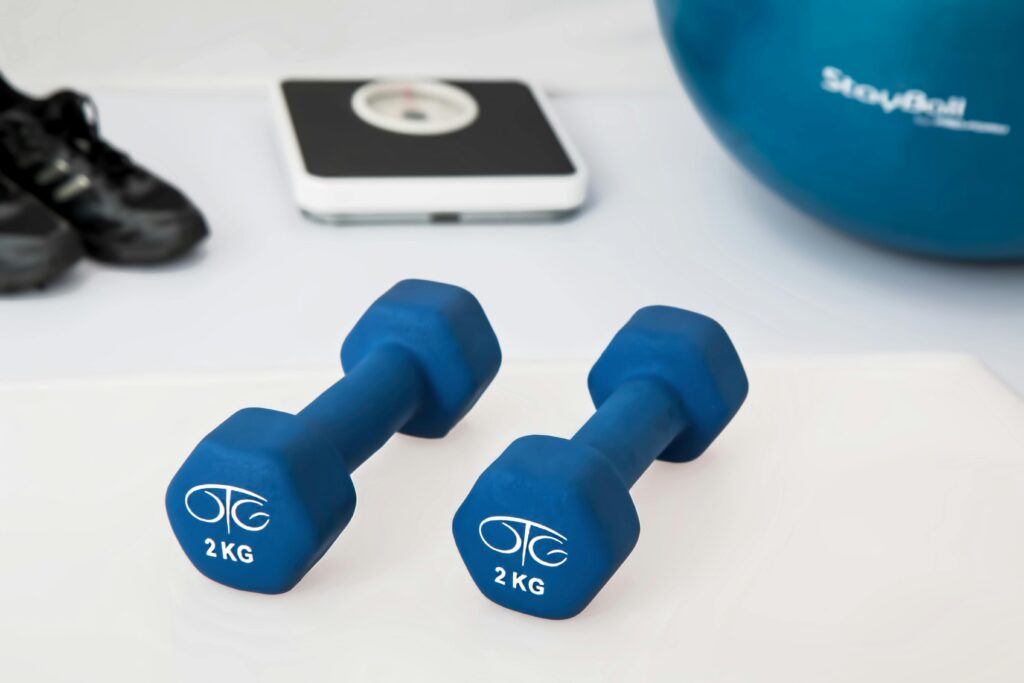
Believe it or not, exercise might be your secret weapon. It’s a tool that most people forget or simply don’t use. Yet it can dramatically improve your odds for long term success. For anyone going through an addiction treatment program, adding a solid fitness routine can make a big difference.
Let’s Be Real:
Relapse is far too common. About 60% of people in treatment for a substance use disorder will end up using drugs or alcohol again within a year. That’s not a very good number. The good news is that evidence is mounting that physical activity can seriously tilt those statistics in your favour.
In This Guide
- Why Exercise Matters For Recovery
- The Science Behind Fitness And Sobriety
- Best Types Of Exercise For People In Treatment
- How To Build A Sustainable Routine
Why Exercise Matters For Recovery
Take a minute and think about what goes on in addiction treatment. For the sake of argument, I’m not just talking about professional programs here. Home recovery works too, in a lot of ways.
Either way, the brain’s reward system has been rewired. Everything feels dull. Motivation bottoms out. Depression and anxiety set in.
Exercise takes on all of those problems simultaneously.
Forcing someone to move and sweat has the effect of making the brain produce feel good chemicals like endorphins and dopamine. These are the same chemicals that illicit drugs artificially trigger in someone’s system. The big difference? Exercise is a way to get that reward safely and sustainably.
Enter the reason why so many New Jersey drug rehab treatment centers now incorporate fitness programs in their protocols. Leading facilities like Rolling Hills Recovery Centre have realised that addiction requires a whole body approach. Physical activity is no longer a nice to have. It’s fast becoming essential to effective treatment.
One more thing:
The benefits aren’t just in brain chemistry. Exercise helps to rebuild the body that substance abuse has damaged. It helps sleep quality. It reduces stress. It provides structure to days that can otherwise feel empty and without direction.
The Science Behind Fitness And Sobriety
The research on this one is pretty clear cut.
A meta-analysis published in PLOS ONE found that physical exercise significantly increases abstinence rates among people with substance use disorders. Exercise also effectively eases withdrawal symptoms. In addition, it reduces both anxiety and depression.

That’s huge.
Withdrawal is one of the most challenging parts of early recovery. The physical pain and psychological anguish send many people back to using. Anything that can mitigate those symptoms gives an individual a fighting chance at staying clean.
But there’s more to it than just symptom management.
Exercise literally changes the way the brain responds to cravings. When a temptation arises, having a physical outlet creates an alternative behaviour. When someone feels that desire, they can go for a run. Hitting the gym, or taking a yoga class are other options.
The substitution effect here is powerful. Over time, the brain starts to associate reward pathways with exercise instead of drugs or alcohol. Neural connections get rewired.
Research also shows that regular physical activity improves cognitive function. Memory sharpens. Decision-making gets better. Self-control also increases. All of these factors make for positive long term recovery.
Best Types Of Exercise For People In Treatment
Not all exercise is created equal in the recovery process. Different kinds bring different benefits to the table.
Aerobic Exercise
Running, swimming, cycling and brisk walking are all aerobic exercise. This type of cardiovascular workout is particularly effective at endorphin release. It also provides benefits like improved mood and cardiovascular function that help the body recover from substance abuse damage.
Intensity is the key. An exercise has to be at a level that someone finds challenging, but still sustainable. Cranking it too hard too early only leads to injury or burnout.
Strength Training
Lifting weights and doing body weight exercises builds more than muscle mass. It builds confidence too. Watching the body get visibly stronger provides tangible evidence that progress is being made. For someone in the recovery process, that visible transformation can be deeply motivating.
Strength training also works to rebuild bone density and muscle that may have been lost during active addiction.
Mind-Body Practices
Yoga, tai chi and other similar practices are a great combination of physical movement and mindfulness. That combo addresses both the body and the mental side of recovery. These activities focus on breathing techniques and body awareness that help to reduce stress and cravings.
Drug rehab treatment center programs now incorporate yoga as a standard practice. The practice helps someone reconnect with their body after years of numbing out on substances.
Group Activities
Team sports or group fitness classes provide a much needed social component to exercise. Recovery can be an isolating process. Building new friendships around healthy activities provides a support network that doesn’t focus on substance abuse.
The accountability factor is also important. When someone commits to meeting a workout buddy or class, they are less likely to skip it.
How To Build A Sustainable Routine
Jumping into an exercise routine during recovery has to be a thoughtful process. The point isn’t to become a fitness fanatic overnight. Instead, the point is to build habits that support long term sobriety.
Start small. Even five minutes of physical activity counts. Walking around the block beats sitting on the couch. Small gradual progress prevents frustration from taking hold from overly ambitious expectations.
Schedule it. Recovery has structure as its best friend. Putting workouts on a calendar and treating them as a non-negotiable appointment is essential. This is especially important in early recovery when days can feel empty.
Find enjoyment. The best exercise is the kind that actually gets done. Hating every second of a workout is no way to build a sustainable habit. Trying different activities helps people figure out what is genuinely rewarding.
Get professional guidance. Working with a trainer or physical therapist ensures safety and proper form. Many treatment facilities have fitness professionals on staff who understand the needs of people in recovery.
Be patient with setbacks. Missing a workout isn’t the end of the world. Neither is having a bad day at the gym. Recovery teaches that progress isn’t linear. The same thing is true of fitness.
Bringing It All Together
We aren’t suggesting that exercise alone will cure addiction. Nobody is making that claim. As part of a comprehensive treatment plan, regular physical activity provides benefits that few other interventions can match.
It repairs the body. It stabilises moods. It provides healthy rewards. It creates structure. It builds community.
For anyone serious about recovery, adding a fitness routine has to be one of the smartest moves possible. The science backs it up. The results speak for themselves.
Start where you are. Use what you have. Do what you can. The rest will follow.