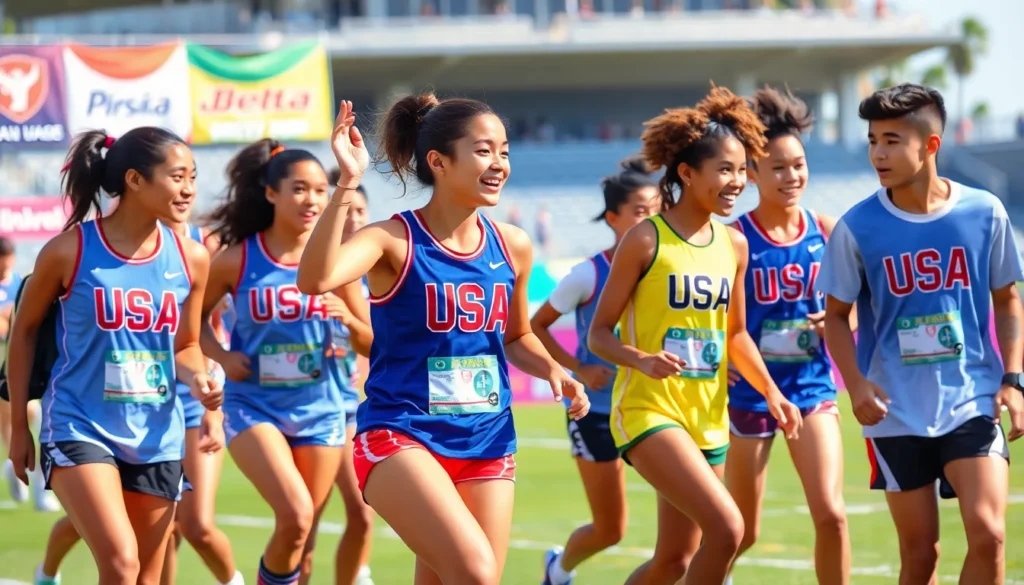
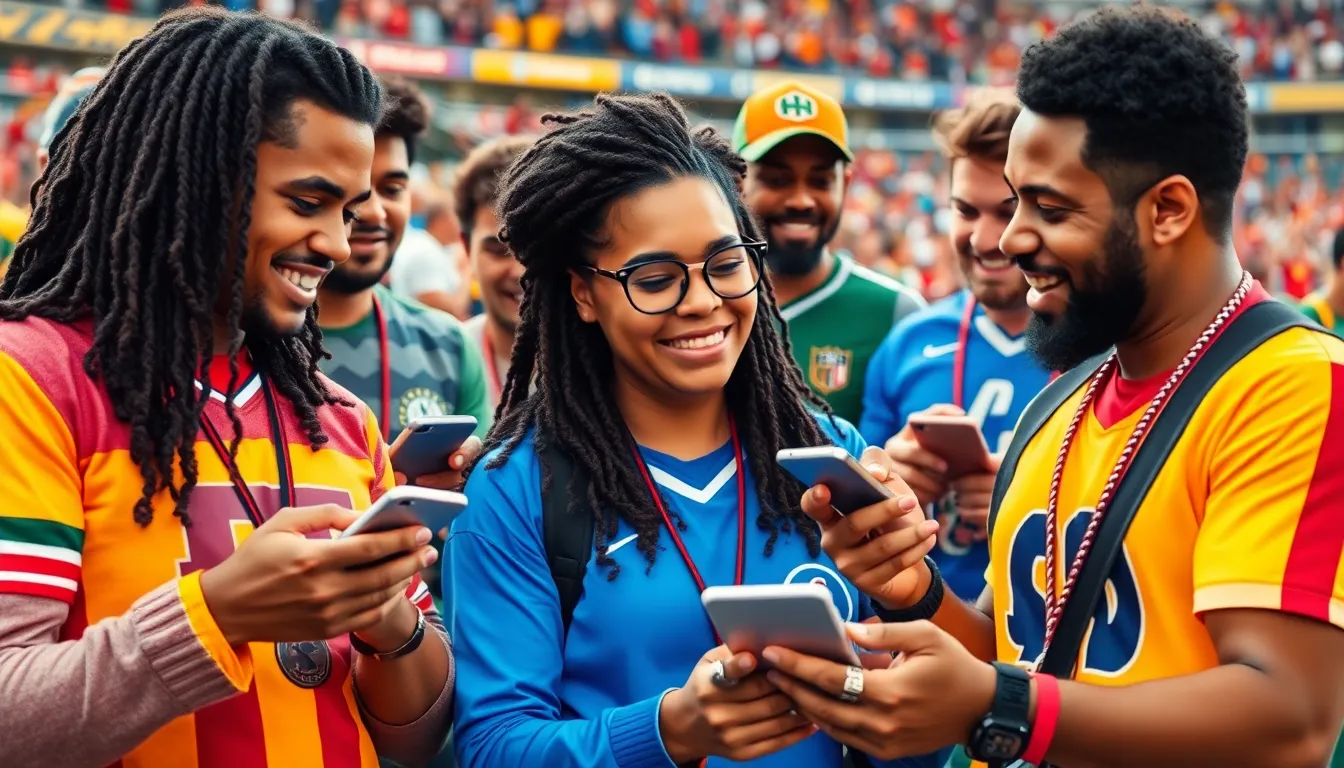
In the fast-paced world of sports marketing, staying ahead of the game is crucial. With teams and brands constantly vying for attention, it’s a thrilling arena where creativity meets strategy. From viral campaigns to unexpected sponsorships, the latest trends are shaking things up and keeping fans on their toes.
Imagine a world where your favorite athlete isn’t just a player but also a brand ambassador, selling everything from energy drinks to luxury watches. It’s not just about the game anymore; it’s about the spectacle, the engagement, and yes, the memes. As the lines blur between sports and marketing, the current events in this field are more exciting than a last-minute touchdown. Buckle up as we dive into the latest happenings that are redefining the playbook of sports marketing.
Sports Marketing Current Events
Current trends in sports marketing reflect a shift towards digital engagement. Brands leverage social media platforms to connect with fans in real-time. Exciting partnerships are emerging, highlighting athletes from various sports endorsing tech products. Unique campaigns gain traction, showcasing the merging of e-sports with traditional sports marketing.
Collaborations between sports leagues and entertainment entities shape the industry. The NBA, for example, collaborates with streaming services to reach younger audiences. Innovative approaches, like virtual reality experiences at events, enhance fan interaction.
Sponsorship deals evolve as brands seek deeper connections with consumers. Major companies invest heavily in athlete-led initiatives that promote social causes. Examples include partnerships that support community health and wellness programs.
Research indicates that 60% of fans prefer brands that are socially responsible. Brands that align with athletes’ values see increased loyalty from consumers. Various metrics show a rise in engagement rates when athletes advocate for causes they believe in.
Emerging technologies, such as AI and data analytics, transform marketing strategies. These tools enable brands to create personalized campaigns tailored to fan preferences. Adoption of these technologies can significantly boost brands’ visibility and relevance in the market.
Overall, understanding these current events in sports marketing drives innovation. Brands that adapt to these changes position themselves advantageously in the competitive landscape. Fans today demand more from the brands they support, prompting consistent evolution in marketing strategies.
Recent Trends in Sports Marketing
The sports marketing landscape experiences continual transformation. Current trends highlight the pivotal role of digital engagement and influencer partnerships in connecting brands with fans.
Digital Transformation
Digital transformation drives significant changes within sports marketing. Brands actively use social media platforms to engage audiences in real time. Insights reveal that 70% of fans prefer interactions through digital channels. Personalized marketing strategies leverage data analytics for tailored fan experiences. Emerging technologies empower brands to create interactive content, increasing fan participation. Brands that embrace digital channels see higher engagement rates, enhancing their overall visibility.
Influencer Partnerships
Influencer partnerships reshape the marketing dynamics in sports. Athletes increasingly serve as brand ambassadors, promoting various products beyond sports gear. Collaborations between athletes and brands effectively tap into new demographics. Social media influencers amplify marketing campaigns, reaching wider audiences and generating authentic connections. Research shows that 64% of consumers trust influencers more than traditional advertisements. Innovative partnerships drive campaign success by aligning brands with athlete values, fostering deeper consumer loyalty.
Major Sports Marketing Campaigns
Current trends highlight campaigns that resonate with fans on multiple levels. Brands increasingly engage in creative strategies to capture attention.
Case Study: Successful Campaigns
Nike’s “You Can’t Stop Us” campaign showcases a powerful narrative that combines sport with social justice. This campaign garnered millions of views and sparked conversations on equity and inclusion. Adidas’ collaboration with Beyoncé on Ivy Park demonstrated effective celebrity endorsements, aligning the brand with cultural movements. Under Armour launched its “The Only Way is Through” initiative, featuring prominent athletes like Stephen Curry. Each campaign excelled by tapping into consumer values, yielding increased brand loyalty and awareness.
Innovative Strategies
Brands adopt cutting-edge technology to enhance fan experiences. Virtual reality experiences offer immersive views of games, capturing audience interest. Social media ads utilize targeted strategies based on fan behaviors, increasing engagement rates. Additionally, partnerships with streaming platforms allow brands to access wider, younger demographics. Incorporating gamification elements in marketing campaigns encourages fan participation. These efforts not only boost interaction but also foster a stronger connection between brands and their audiences.
Impact of Social Media on Sports Marketing
Social media significantly influences sports marketing strategies today. Platforms like Instagram, Twitter, and TikTok facilitate real-time fan engagement, with 70% of fans preferring digital interactions over traditional methods. Data analytics play a crucial role in creating personalized marketing campaigns, ensuring brands reach their target audiences effectively.
Athletes increasingly serve as brand ambassadors, promoting not only sports equipment but also lifestyle products. Influencer partnerships, where athletes collaborate with social media influencers, expand reach and foster authenticity. This approach resonates strongly, as 64% of consumers trust influencers more than conventional advertisements.
Innovative campaigns are emerging that seamlessly blend e-sports with traditional sports marketing. The NBA’s partnerships with streaming services exemplify brands adapting to young audiences’ preferences, enhancing viewer engagement. Sponsorship deals are transforming as brands aim for deeper connections with consumers through athlete-led initiatives that champion social causes.
Research reveals that 60% of fans favor brands prioritizing social responsibility, leading to strong loyalty among consumers. Nike’s “You Can’t Stop Us” campaign highlights how brands can integrate social justice themes into marketing, creating impactful messages that resonate with fans. Adidas’ collaboration with Beyoncé for Ivy Park exemplifies aligning brand messaging with cultural movements, creating a stronger emotional connection.
Cutting-edge technologies such as virtual reality enhance fan experiences, promoting interactive engagement. Using targeted social media ads boosts visibility significantly, capturing audience attention effectively. Gamification in marketing encourages fan participation, strengthening ties between brands and their audiences. Brands must adapt to these dynamics, prioritizing social media strategies to thrive in this evolving landscape.
Challenges Facing Sports Marketers
In the ever-evolving arena of sports marketing, numerous challenges emerge. Brands grapple with cutting through the noise of digital platforms, where 70% of fans favor online interactions. Personalization plays a crucial role in engaging these fans, yet leveraging data analytics effectively remains a complex task.
Competition intensifies as athletes transform into powerful brand ambassadors, promoting an array of products. Aligning brand values with athletes can foster loyalty but requires a deep understanding of consumer preferences. Research indicates that 60% of fans gravitate towards socially responsible brands, making it essential for marketers to promote aligned initiatives.
Influencer relationships also present both opportunities and hurdles. Collaborating with athletes and social media influencers can expand reach, but maintaining authenticity is a must. Research suggests that 64% of consumers trust influencers over traditional advertising, underscoring the necessity for genuine partnerships.
Effective engagement with younger audiences poses another challenge. Streaming platforms serve as prime venues for outreach, yet ensuring that content resonates with this demographic requires innovative strategies. Gamification elements enhance fan participation, but brands must adopt them wisely to avoid overwhelming audiences.
Sponsorship agreements continue to evolve, reflecting deeper consumer connections. Brands now seek to invest in initiatives that resonate on a social level, demanding marketers stay attuned to trends that matter. Balancing excitement with responsibility in marketing campaigns has become vital for success.
As marketers navigate these landscapes, adaptability becomes crucial. Keeping pace with technological advancements and consumer expectations will define the future of sports marketing strategies. Emphasis on real-time engagement through social media cannot be overstated in maintaining relevance in a competitive environment.
Conclusion
The world of sports marketing is rapidly evolving and brands must stay ahead of the curve to thrive. By embracing digital engagement and personalized strategies, they can forge deeper connections with fans. As athletes continue to emerge as influential brand ambassadors, aligning values becomes crucial for fostering loyalty.
Innovative campaigns and partnerships are reshaping the landscape, offering exciting opportunities for brands to resonate with diverse audiences. The focus on social responsibility and authenticity in influencer relationships highlights the changing expectations of consumers.
In this dynamic environment, adaptability and real-time engagement are essential for brands aiming to capture the hearts and minds of fans. The future of sports marketing promises to be as thrilling as the games themselves.