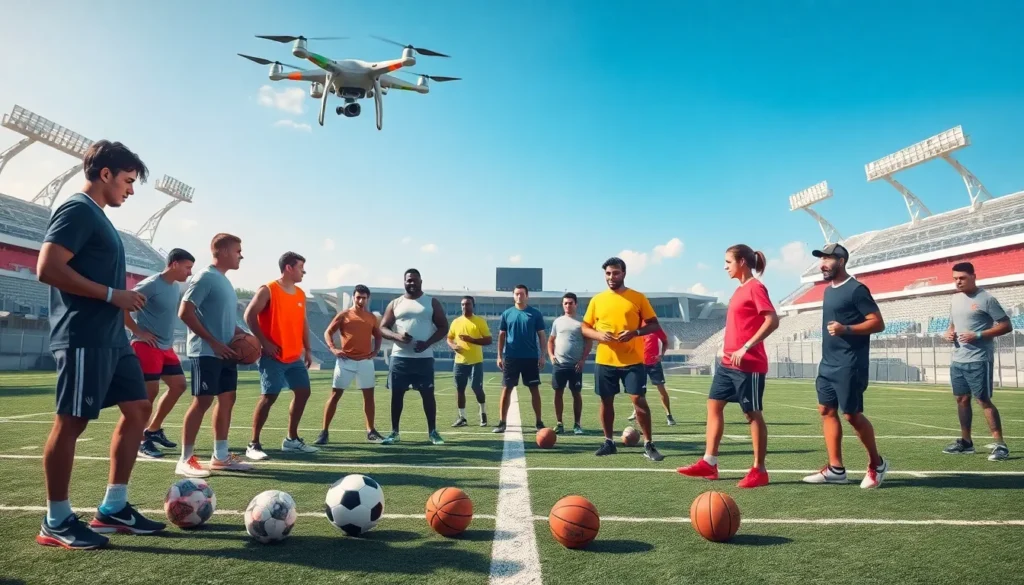
As technology zips ahead at lightning speed, the future of sports is shaping up to be a thrilling ride. Imagine athletes powered by AI, drones capturing every angle of the action, and virtual reality bringing fans closer to the game than ever before. It’s not just a dream; it’s the new playbook for sports lovers everywhere.
Future of Sports
Technological advancements shape the future of sports, creating changes in how athletes train and fans engage. Artificial intelligence plays a crucial role in analyzing player performances, offering insights that help teams enhance strategies. Data collection through wearable devices provides real-time metrics, allowing coaches to tailor training programs to individual athletes.
Drones revolutionize event coverage by delivering unique angles and perspectives. This aerial technology captures the action from above, offering viewers a comprehensive view of competitions. Enhanced broadcasting capabilities expand reach, connecting fans globally regardless of their location.
Virtual reality transforms the experience for fans, immersing them in events like never before. Engaging experiences allow users to feel as if they are part of the action from their living rooms. This shift not only elevates entertainment but also increases loyalty among supporters.
Esports gain prominence, drawing millions of viewers and changing the traditional sports landscape. Competitions in gaming attract talent and create new opportunities for sponsorship and advertisement. Fans participate in a culture that blurs the lines between physical and virtual sports.
Emphasis on sustainability influences the direction of future sporting events. Organizations explore eco-friendly venues and practices, demonstrating commitment to environmental responsibility. This awareness resonates with fans who value sustainability alongside athletic performance.
The future of sports combines technology with innovative practices. From AI-driven strategies to immersive experiences, the sports landscape continues to evolve, catering to both athletes and fans in unprecedented ways.
Technological Advancements
Technological advancements in sports are reshaping how athletes perform and engage with fans. Innovations like virtual reality and augmented reality, wearable technology, and data analytics play pivotal roles in this transformation.
Virtual Reality and Augmented Reality
Virtual reality and augmented reality enhance fan experiences by immersing viewers in live events. They enable fans to interact with their favorite teams from home with 360-degree views. These technologies create virtual stadiums, allowing fans to experience a game as if they were present in the crowd. Augmented reality apps provide real-time stats and player information, enriching the event experience. Such advancements bridge the gap between physical venues and home viewing.
Wearable Technology
Wearable technology has revolutionized athlete training and health monitoring. Devices like fitness trackers and smartwatches collect data on heart rates, movements, and overall performance. Athletes gain insights into their physical condition with real-time feedback. Training regimens become tailored based on individual metrics, optimizing performance. Teams also utilize wearables to monitor player health, preventing injuries and ensuring longevity in sports careers.
Data Analytics and Performance Tracking
Data analytics and performance tracking are central to modern sports strategies. Teams analyze vast amounts of data to identify trends and enhance player performance. Performance tracking systems provide coaches with detailed insights into an athlete’s strengths and weaknesses. Analytics also drive game strategies, offering predictive models for opponents’ behaviors. By leveraging data, sports organizations improve decision-making, leading to competitive advantages on and off the field.
Fan Engagement Evolution
Fan engagement is evolving rapidly due to technological advancements and changing audience expectations. Innovations reshape how fans interact with their favorite sports and athletes.
Social Media Impact
Social media platforms play a crucial role in connecting fans with teams and players. They offer instant updates, behind-the-scenes content, and interactive polls that keep fans engaged. Trends show that fans increasingly rely on social media for real-time interaction during events. Teams utilize user-generated content to foster community and strengthen brand loyalty. Influencers and athletes amplify this connection, driving conversations and boosting visibility. Data indicates that platforms like Instagram and Twitter significantly enhance fan experience by providing personalized content.
Interactive Experiences
Interactive experiences redefine fan engagement by merging digital and physical environments. Technologies such as augmented reality create unique opportunities for fans to connect during events. Mobile apps enhance the experience with live stats, gamification, and exclusive content. Virtual reality allows fans to feel as if they’re part of the action, creating memorable moments. This level of engagement encourages greater participation in team activities and sponsorship initiatives. As a result, organizations that invest in interactive experiences often witness increased attendance and fan loyalty.
Environmental Sustainability in Sports
Environmental sustainability plays a crucial role in shaping the future of sports. Organizations actively seek to adopt practices that lessen environmental impact while enhancing fan experience.
Eco-Friendly Practices
Eco-friendly practices in sports are gaining momentum. Many sports leagues implement initiatives to reduce waste and promote recycling during events. The use of sustainable materials in merchandise, including biodegradable options, reflects a commitment to environmental responsibility. Some teams now utilize renewable energy sources, such as solar or wind power, to fuel stadium operations. Event organizers actively encourage fans to use public transportation or carpool, reducing carbon emissions and promoting collective responsibility. Collaborations with environmental organizations exemplify how sports entities can evoke positive change and inspire fan participation in sustainability efforts.
Sustainable Infrastructure
Sustainable infrastructure is a vital aspect of modern sporting facilities. Building designs often prioritize energy efficiency, featuring state-of-the-art insulation and energy-saving technologies. Many stadiums are constructed using recycled materials that minimize their ecological footprint. Water conservation systems are increasingly common, collecting rainwater for later use and reducing reliance on local water supplies. Additionally, the integration of green spaces around venues enhances biodiversity while providing fans with recreational areas. Implementing sustainable infrastructure not only benefits the environment but also attracts environmentally conscious fans, fostering loyalty and support for teams.
The Role of Diversity and Inclusion
Diversity and inclusion play a significant role in shaping the future of sports. Embracing different perspectives enhances team dynamics and fosters a more vibrant sports culture.
Gender Equality in Sports
Gender equality remains a key issue in sports, impacting opportunities for female athletes. Women’s participation has grown, with the Women’s National Basketball Association increasing its viewership by 400% from 2019 to 2022. Notably, organizations are pushing for equal pay, exemplified by the U.S. women’s soccer team’s successful fight for pay equity. Corporations also support initiatives aimed at leveling the playing field by sponsoring women’s events and programs, which promotes visibility and encourages young girls to pursue athletics.
Representation of Minority Groups
Representation of minority groups is essential for the evolution of sports. Diverse athletes bring unique skills and perspectives that enhance competition and team synergy. In recent years, major leagues have begun to prioritize diversity in hiring practices to ensure equitable representation in coaching and management positions. For instance, the NFL implemented the Rooney Rule, mandating interviews with minority candidates for head coaching jobs. Efforts to promote inclusivity, coupled with community outreach programs, empower underrepresented groups and foster a sense of belonging in the sports world.
Conclusion
The future of sports is set to be a thrilling journey marked by innovation and inclusivity. As technology continues to evolve it will reshape how athletes train and how fans engage with their favorite teams. The integration of AI virtual reality and sustainable practices signifies a shift towards a more connected and responsible sports culture.
Emphasizing diversity and inclusion will not only enhance competition but also foster a sense of belonging among fans and players alike. The merging of physical and digital experiences will create richer interactions ensuring that sports remain relevant and exciting for generations to come. The evolution is just beginning and it promises to redefine the landscape of sports in ways previously unimaginable.